Buyer’s Guide to Glen Ellyn Home Styles & Architecture
December 18, 2025
December 18, 2025
Do you love the charm of a century-old porch, but also crave the ease of a modern open kitchen? In Glen Ellyn, you can have either — or thoughtfully blend both. As you explore this mature, character-rich suburb, you’ll see Victorians near Lake Ellyn, Craftsman bungalows on leafy streets, Tudor Revival gems, mid‑century homes, and newer builds with today’s conveniences. This guide helps you spot key architectural styles, understand how age and materials affect maintenance and resale, and plan smart inspections before you buy. Let’s dive in.
Glen Ellyn’s housing stock spans late 19th‑century to new construction. Close to downtown and established street grids, you’ll find older character homes with distinct details and mature lots. In newer subdivisions and on infill lots, you’ll see New Traditional or contemporary builds designed for modern living.
You’ll weigh tradeoffs. Character homes offer uniqueness and craftsmanship, but often come with segmented layouts and more maintenance. Newer homes deliver open plans, energy efficiency, and fewer near-term repairs, typically at a higher new‑construction cost per square foot. Your choice comes down to lifestyle priorities, budget for ongoing care, and how you plan to use the space.
Victorian homes in the suburbs often date to the late 1800s through the early 1900s. You’ll recognize asymmetrical façades, steep gables, decorative trim, bay windows, and sometimes towers or wraparound porches.
Expect formal front parlors, separate dining rooms, smaller kitchens by today’s standards, narrow halls, and higher ceilings. Rooms feel distinct rather than open.
Most were built with wood or balloon framing, wood siding or shingles, plaster walls, and original single‑pane wood windows. Very early examples may have had knob‑and‑tube wiring if not updated.
Victorians can command strong interest for curb appeal and architectural detail. Buyers may discount homes with highly segmented layouts or outdated systems, unless renovated with sensitivity to the original character.
Have your inspector review structural framing, roof and flashing, porches and foundations, window and trim condition, and the electrical system. For pre‑1978 paint, plan for a lead‑paint risk assessment.
Craftsman and bungalow homes, popular from roughly 1905 to 1930, feature low‑pitched gabled roofs, wide eaves with exposed rafters, and tapered porch columns, often on stone piers. Inside, look for built‑ins and detailed woodwork.
Plans feel more relaxed than Victorian but still have defined rooms. Many are one to one‑and‑a‑half stories or modest two‑stories.
Wood framing is typical, with wood or stucco exteriors and original wood windows and plaster interiors.
These homes are broadly appealing for craftsmanship, human scale, and neighborhood context. Original built‑ins and trim often add value when preserved.
Ask your inspector to evaluate exposed rafter tails, roof condition, porch structure, chimney, HVAC age, electrical/plumbing updates, and any moisture concerns in basements or crawlspaces.
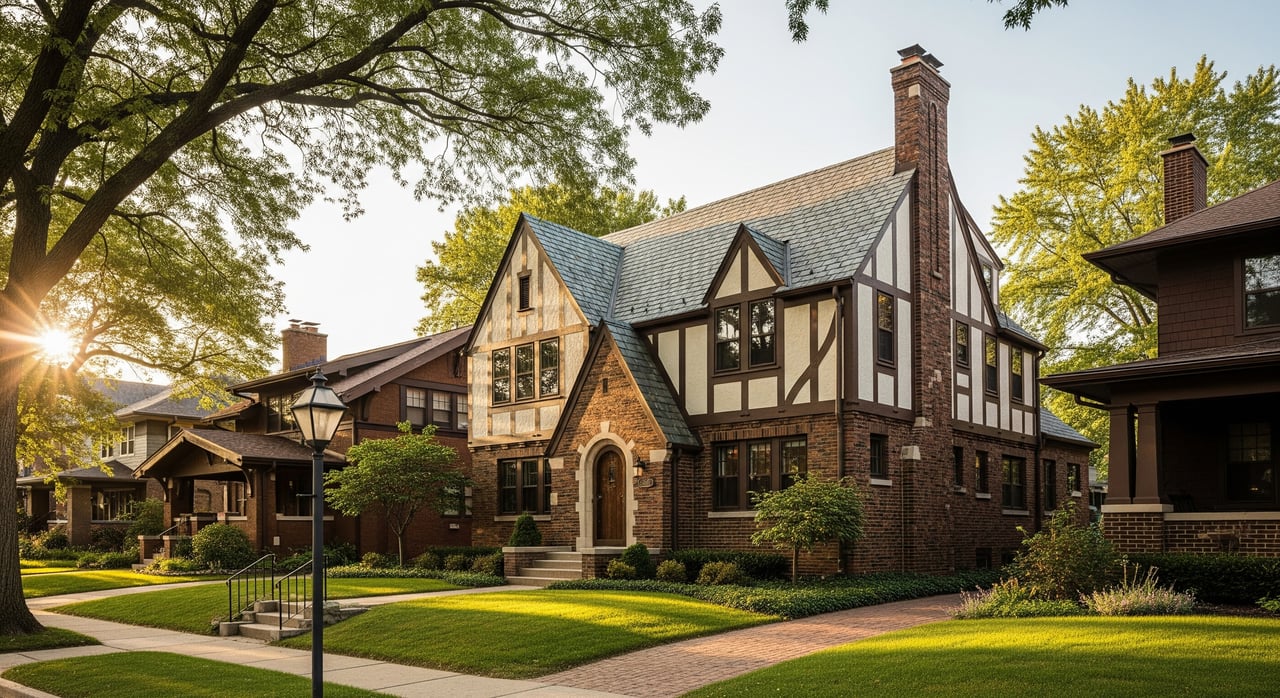
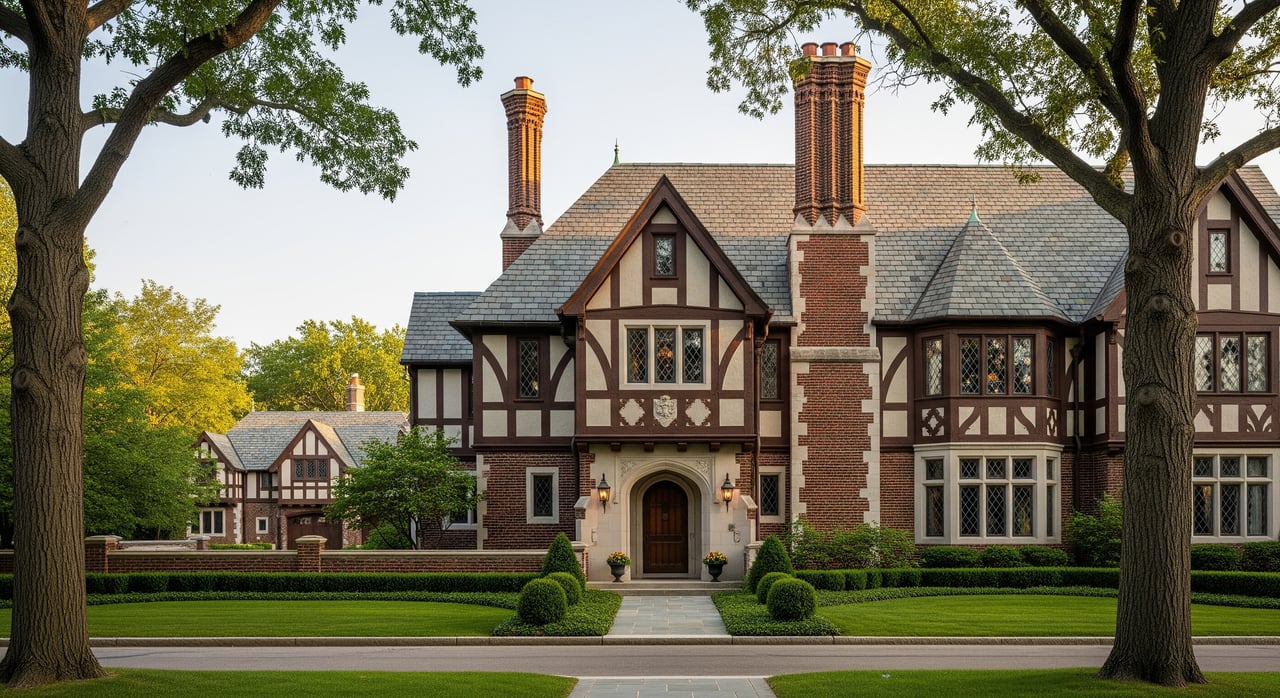
Tudor Revival homes, common from the 1920s to 1940s, stand out with steeply pitched roofs, decorative half‑timbering, tall narrow windows, arched entries, and brick or stone at the lower walls.
Expect one‑and‑a‑half to two stories with compact rooms, nooks, and multi‑level interest.
Masonry and wood framing combine with masonry foundations. Leaded glass windows are common in originals.
Tudors hold strong curb appeal. Factor potential costs for roofing and masonry into your valuation so you are comparing apples to apples.
Prioritize roof condition, chimney and flashing, foundation settlement near additions, window performance, and any masonry repointing needs.
Built mainly from the 1940s through the 1960s, these homes offer low, horizontal profiles and larger windows. Many have bigger kitchens than earlier styles, attached garages, and more casual family spaces. Split‑levels introduce staggered floor levels.
Single‑level ranch living is a plus for many buyers. While some kitchens remain closed, these homes are often easier to open up than much older houses.
You’ll see slab or crawlspace foundations, masonry or wood exteriors, and older mechanicals that may be at the end of service life.
Mid‑century homes appeal to buyers seeking single‑level convenience or vintage design. Their simpler structure can support thoughtful kitchen and living space updates.
Check HVAC age and capacity, roof membranes and drainage, signs of settling, and window performance. If renovating, plan for lead‑safe and asbestos‑aware practices where applicable.
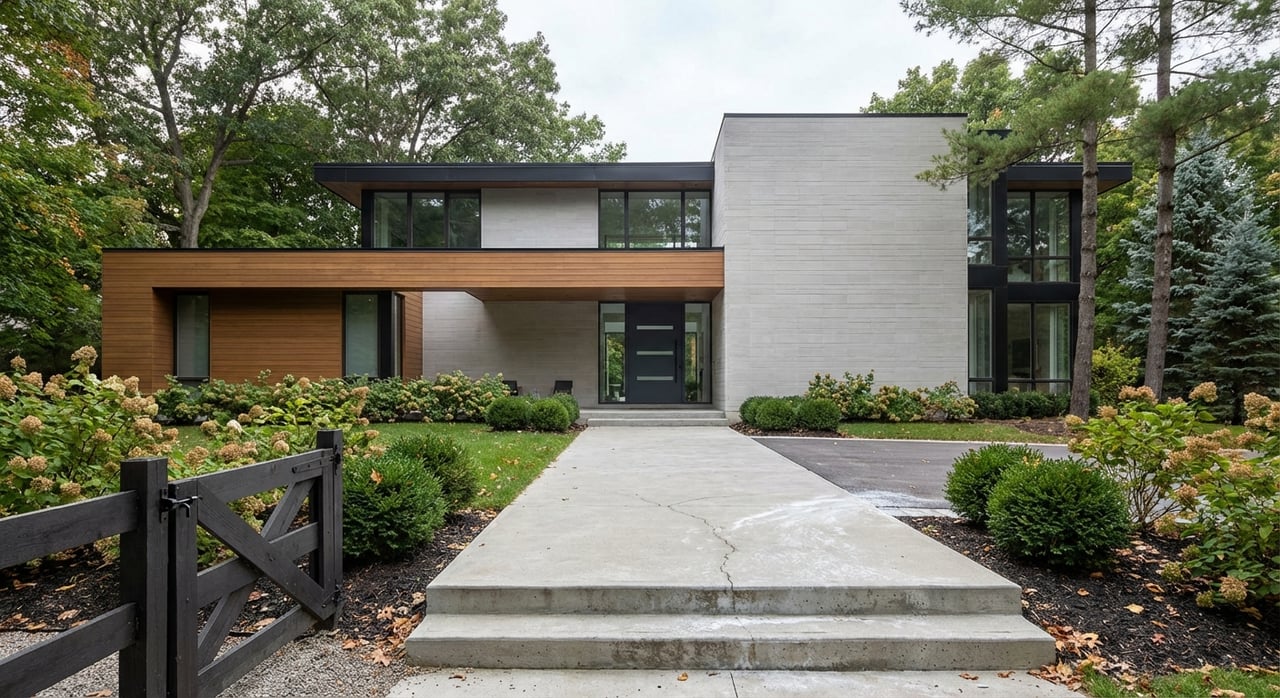
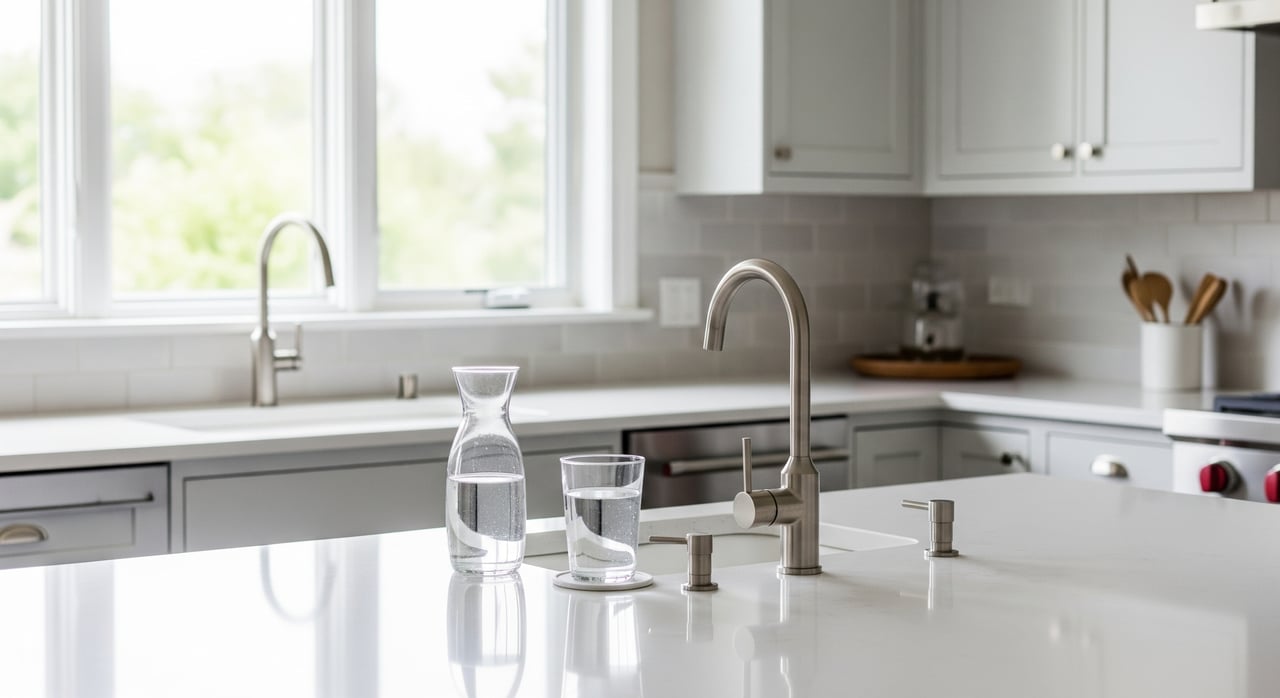
Post‑1990s new builds and infill homes often reference classic forms with modern construction and open layouts. Expect larger primary suites, flexible basements, attached garages, and energy‑efficient systems.
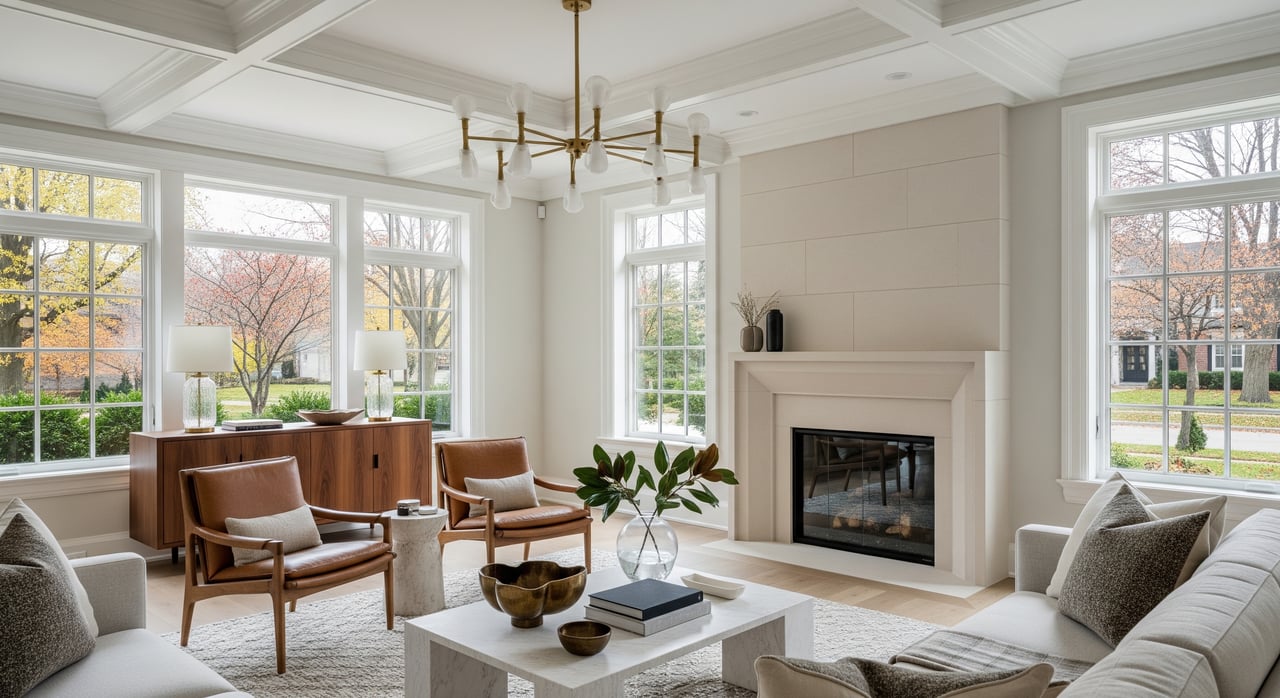
Open‑concept living spaces connect kitchens, dining, and family rooms. You’ll often find larger closets and baths.
Modern framing, code‑compliant electrical and HVAC, up‑to‑date insulation, and double or triple‑pane windows are typical.
Move‑in readiness and efficiency draw a broad buyer base. In established neighborhoods, value depends on how the home fits nearby comparables in size, finishes, and lot.
Review overall finish quality, drainage around the home, HVAC performance, insulation, windows, and documentation of permits and inspections. Confirm warranty terms.
Mechanical systems like HVAC, water heaters, and electrical panels typically need replacement on cycles of roughly 15 to 30 years, depending on type and use. Roofing lifespans vary by material; slate and tile can last longer with higher care, while asphalt shingles have shorter cycles. Original single‑pane wood windows can be restored or retrofitted for better performance.
Segmented plans in Victorian and some Tudor homes can be opened, but structural changes may be required and might trigger historic review if exterior changes are planned. Craftsman bungalows and many mid‑century homes tend to be more adaptable for kitchen expansion or partial plan opening. Split‑level floor height changes add complexity for accessibility upgrades.
Build a plan that covers immediate fixes identified in inspections and mid‑term upgrades like envelope improvements or kitchen modernization.
Before planning exterior changes, confirm Village of Glen Ellyn building permit requirements and whether a property falls within a local historic district or has any design review triggers. Major mechanical, structural, or exterior projects often require permits and inspections. For parcel and tax history, consult DuPage County resources. Energy upgrades may be eligible for state or utility incentives through Illinois programs; verify current offerings before you bid projects.
Match the home to your lifestyle. If you value original millwork, gracious porches, and walkable, established blocks, a Victorian, Craftsman, or Tudor may be a fit, as long as you plan for ongoing care. If you want single‑level convenience or a renovation‑friendly shell, a mid‑century ranch or split‑level can be a strong platform. If turnkey living, efficient systems, and open flow top your list, a newer New Traditional or contemporary build might be ideal.
As you compare options, weigh both immediate capital needs and long‑term comfort. Thoughtful updates to kitchens and baths often yield strong resale benefits, and preserving authentic features can maintain or elevate value in neighborhoods that prize character.
Ready to explore Glen Ellyn homes with confidence? Request a private consultation with Rachna Jain to align your wish list, budget, and timeline with the right properties and a clear plan for inspections, updates, and long‑term value.
Stay up to date on the latest real estate trends.
Experience the difference that passion, expertise, and personalized care make in luxury real estate. Whether buying or selling, Rachna ensures every step of your journey is seamless, rewarding, and uniquely tailored to your goals.