Owning a historic Hinsdale home comes with pride, beauty, and a unique set of decisions when you sell. You want a premium result, smooth execution, and discretion. You also want to protect the character that makes your property special. In this guide, you’ll see a clear, concierge plan built for Hinsdale sellers that balances preservation with top‑tier marketing and strong negotiation. Let’s dive in.
Why Hinsdale historic homes stand out
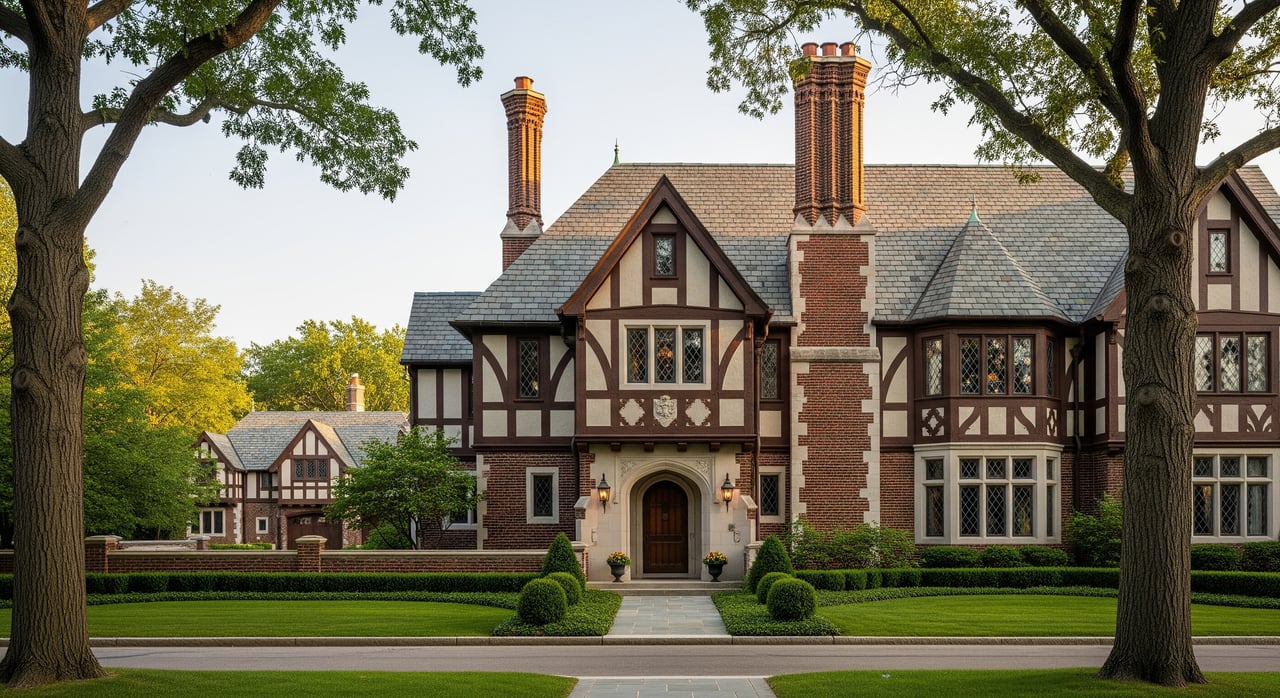
Hinsdale’s residential fabric often reflects late 19th and early 20th century styles. You may see Tudor Revival, Colonial Revival, Prairie School influences, and Craftsman details. Many homes feature original millwork, masonry, slate roofs, stained glass, and mature trees. Buyers value this craftsmanship and provenance, which can support premium pricing when documented and presented well.
Before you list, confirm whether your property has any historic designation or recorded restrictions. National Register recognition is primarily honorary for private residences and does not restrict an owner’s work unless federal funding or permits are involved. Local rules are different. If your home is locally landmarked or within a designated district, exterior changes may require review and approvals. Plan your timeline and strategy around the correct framework for Hinsdale and DuPage County.
A concierge listing plan for historic homes
This plan is built for sellers who want maximum proceeds, discretion, and a friction‑free closing. It pairs preservation‑minded preparation with targeted, high‑end marketing.
Phase 1: Verification and strategy
Start with facts, then design a plan that protects value and saves time.
- Confirm designation status. Check any National Register listing, state recognition, and whether there is a local landmark or district status that triggers exterior review. Do not assume federal recognition creates local restrictions.
- Pull key records. Work with the Village of Hinsdale Building Department and Planning and Zoning for permit history. Review deeds and easements with the DuPage County Recorder and Assessor, including any preservation easements or special taxes.
- Check infrastructure and risk. Verify sewer connections and assess any floodplain exposure through FEMA and local maps. These details matter for buyer confidence and insurance.
- Plan your approval path. If local review applies, map the sequence for a Certificate of Appropriateness or similar approval before building permits. Many boards meet monthly and often need several weeks’ notice, so budget 6 to 12 weeks for exterior review in many municipalities.
Phase 2: Pre‑listing inspections that build trust
A bundled inspection package signals transparency, speeds due diligence, and can prevent financing issues.
- Structural evaluation. Have a licensed structural engineer assess foundation, framing, and masonry. Ask for recommended repairs and rough costs.
- Roof and envelope. Inspect slate or wood shingles, flashing, gutters, eaves, mortar joints, and chimneys. Document life expectancy and repair options.
- Mechanical systems. Review HVAC or boiler systems for capacity and safety. Note improvements that increase efficiency without harming historic fabric.
- Electrical. Identify knob and tube wiring, outdated panels, ungrounded outlets, and missing safety protections that affect insurance and lending.
- Plumbing and sewer. Scope waste lines to catch root intrusion or collapse. Note any galvanized supply lines that may impact water quality or flow.
- Environmental checks. For pre‑1978 homes, prepare mandatory lead‑based paint disclosures and follow EPA RRP rules for any paint‑disturbing work. Screen for asbestos, mold, and moisture, especially in basements and attics.
- Historic fabric survey. Document windows, doors, millwork, plaster, built‑ins, and finishes with a preservation specialist or architect. Identify what is repairable and what requires in‑kind replacement if work is planned.
- Site, trees, and drainage. Evaluate grading, runoff, and any mature trees that may need removal permits or maintenance.
- Pest inspection. Check for termites or wood‑destroying insects.
- Permit history review. Compile past permits and approved plans, and flag any unpermitted work that could delay closing.
Bundle these findings into a confidential condition and hazards report. Include contractor estimates so you can choose targeted repairs or credits before listing. A clear, well‑organized packet reduces surprises and supports a higher asking price.
Phase 3: Permits, compliance, and disclosures
Set the stage for a clean closing by handling compliance upfront.
- Sequence approvals correctly. If exterior changes are planned and local review applies, request a pre‑application conversation with village staff. Secure any required historic approvals before you apply for building permits.
- Plan for review timelines. Historic review bodies often meet monthly and require advance submissions. Coordinate your architect, preservation specialist, and contractors early.
- Prepare a complete disclosure packet. Include state and local seller disclosures, the lead‑based paint pamphlet and forms for pre‑1978 homes, your inspection reports, copies of recent permits, and any preservation approvals.
- Clarify tax incentives. Federal and Illinois historic rehabilitation tax credits typically apply to income‑producing properties rather than private residences. If you are considering work before listing, ask about any local programs that may apply.
- Anticipate insurance and lending needs. Some carriers price higher for slate roofs, plaster, or older electrical systems. Lenders may ask for certain repairs. Early documentation can reduce conditional approvals and protect your timeline.
Phase 4: Sensitive updates that protect character
Where updates are needed, choose options that respect the architecture and ease buyer objections.
- Systems with minimal impact. Route ducts in non‑character areas, or use high‑efficiency boilers or mini‑splits to avoid invasive work.
- Windows and exterior woodwork. Restore and weatherize where feasible. If replacement is essential, use historically sympathetic profiles and materials, and secure approvals if required.
- Kitchens and baths. Improve function and comfort while honoring the home’s style. Neutral, high‑quality finishes that complement original millwork and tile usually resonate with buyers.
- Roofing and masonry. Repair before replacing, and match material and pattern when replacement is required. Use appropriate mortar mixes to protect brick and stone.
- Safety and accessibility. Add discreet upgrades like handrails and egress lighting that improve livability without changing primary historic rooms.
Phase 5: Provenance, media, and storytelling
Your home’s story is a strategic asset. Present it with the polish it deserves.
- Build a provenance packet. Gather historic photos, any architect attribution, early plans, and restoration documentation. This shows authenticity and care.
- Commission architectural photography. Capture exterior hero shots, interiors that show scale and detail, and close‑ups of millwork and stained glass. Add measured floor plans, a 3D tour, drone context when allowed, and a short cinematic video for private distribution.
- Create a secure digital experience. Host a private microsite or password‑protected brochure for qualified buyers. Include the provenance packet, condition reports, and approvals.
Phase 6: Discreet marketing to the right buyers
Reach buyers who value character and can perform.
- Off‑market pathways. Use pocket and personalized outreach to vetted collectors, preservation architects, designers, and select local brokers. For enhanced privacy, require NDAs for full document access or showings.
- Invitation‑only previews. Host curated events or broker tours that highlight craftsmanship and livability. Share repair plans and approvals to reduce friction.
- Targeted distribution. Engage agents with experience in landmark or high‑value historic homes. Their networks and approach support premium results.
Phase 7: Pricing and appraisal alignment
Price with precision and support it with evidence.
- Use relevant comparables. Historic homes can be outliers. Select comparables that reflect architectural significance, intact features, and lot context.
- Strengthen the appraisal file. Provide the provenance packet, inspection summaries, repair estimates, and any approvals. This context can reduce lender concerns and support your price.
- Decide on repairs vs credits. If a lender is likely to require updates, complete them before listing or set a plan with pricing that reflects credits, backed by contractor estimates.
Quick seller checklists
Use these to keep your listing on track.
Pre‑listing essentials
- Confirm historic designation and any local regulation.
- Complete the bundled inspection and hazards report.
- Pull permit history and organize documentation.
- Prepare lead‑based paint disclosures for pre‑1978 homes and follow EPA RRP rules for any paint‑disturbing work.
- Get insurance and appraisal pre‑checks.
- Decide on strategic repairs vs credits with cost estimates.
- Assemble the provenance packet and schedule media.
Permitting sequence
- Hold a pre‑application meeting with local preservation staff if exterior work is planned.
- Obtain any required historic approvals before building permits.
- Submit building, mechanical, plumbing, and electrical permits in the correct order.
- Coordinate certified contractors for lead‑related work.
- Complete final inspections and obtain certificates of completion as required.
Discretion and buyer vetting
- Use non‑public channels and private outreach.
- Require NDAs for access to the full document set when discretion is essential.
- Verify buyer capacity early, including proof of funds or strong preapproval.
How a concierge advisor elevates your result
The right advisor orchestrates every step to minimize risk and maximize value. You get a tailored plan, single point of contact, and white‑glove execution. Your inspections and disclosures are organized, your media is curated for architectural impact, and your marketing is targeted to qualified buyers who appreciate design and history. With careful sequencing and a private distribution strategy, you protect your timeline, your privacy, and your proceeds.
Ready to list quietly or go to market with confidence? Connect with Rachna Jain for a private consultation. You will get a detailed, preservation‑minded plan for your Hinsdale home that aligns with your goals.
FAQs
What does National Register listing mean for a Hinsdale home sale?
- National Register recognition is primarily honorary for private residences and does not restrict owner actions unless federal permits or funding are involved. Local rules are separate and should be verified with the Village of Hinsdale.
Do I need approvals before making exterior changes to list?
- If your home is locally landmarked or within a designated historic district, exterior work may require a local approval such as a Certificate of Appropriateness before building permits. Verify requirements and timing early.
Which inspections matter most for historic homes in Hinsdale?
- Prioritize a structural engineer review, roof and envelope inspection, mechanical and electrical assessments, plumbing and sewer scoping, environmental checks for pre‑1978 homes, and a preservation survey of historic features.
How long can historic reviews or permits take?
- Historic review bodies often meet monthly and may require materials weeks in advance. Plan 6 to 12 weeks for exterior review in many municipalities, then apply for building permits as needed.
What lead‑based paint rules apply if my home predates 1978?
- You must provide buyers with the federal lead‑based paint pamphlet and disclosures. Any renovation that disturbs painted surfaces must follow EPA Renovation, Repair, and Painting rules with certified firms.
Can I sell off‑market to maintain privacy?
- Yes, a private or pocket approach can reach vetted buyers, preservation professionals, and select brokers. Use NDAs for document access or showings if you require discretion.
Will lenders and insurers have special requirements for older homes?
- Some lenders may require electrical or structural updates, and insurers may price higher for original materials like slate roofs. Providing inspections, repair plans, and quotes early reduces conditional approvals.
Are tax credits available for work on my historic home?
- Federal and Illinois historic rehabilitation tax credits generally apply to income‑producing properties, not private residences. Ask about any local homeowner programs before you begin work.