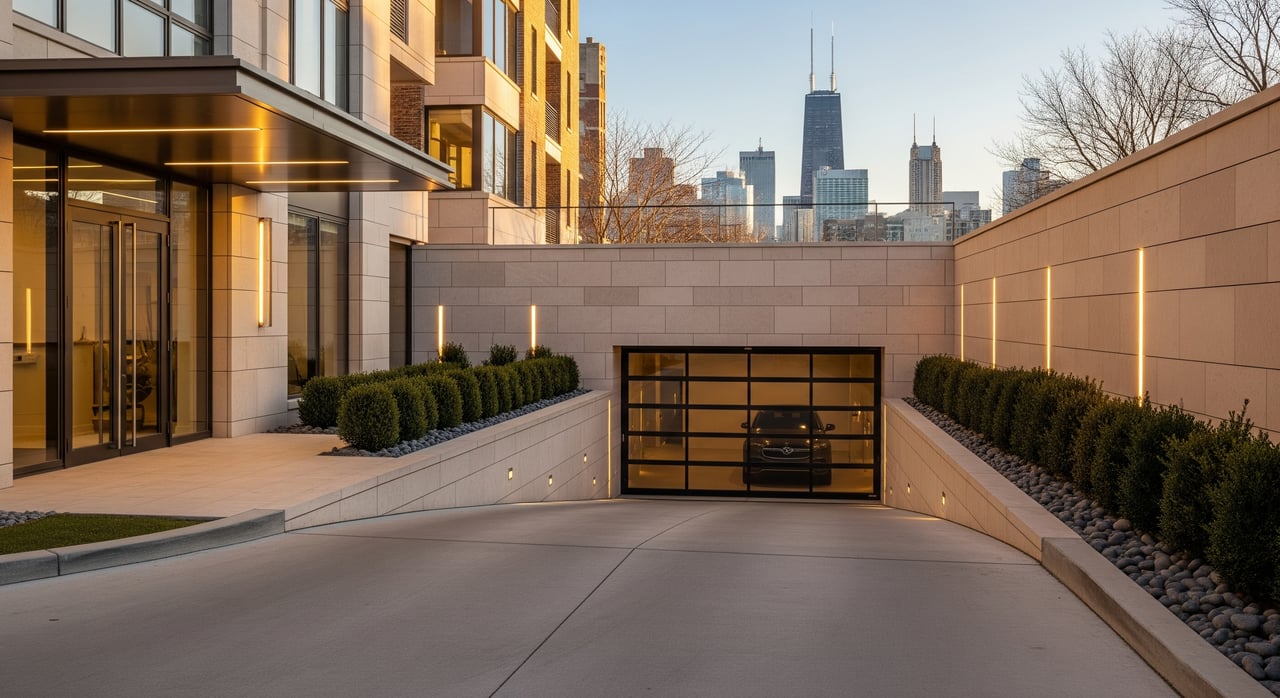
South Loop Condo Parking Costs, Options & Trade-Offs
January 1, 2026
January 1, 2026
Hunting for a South Loop condo and wondering how parking fits into the picture? You’re smart to ask. Parking in this neighborhood isn’t one-size-fits-all, and the type you choose can affect your monthly costs, EV plans, and future resale. In this guide, you’ll learn the differences among deeded, assigned, and leased parking, how each one works in the South Loop, and the practical trade-offs to consider before you write an offer. Let’s dive in.
What it is: You own the stall as real property. It appears in the legal description and typically transfers with the condo at sale unless you sell it separately.
Why it matters: Deeded stalls often carry clear long-term value and are commonly reflected in appraisals and financing. You get guaranteed access without relying on a lease or board reassignment.
What it is: The stall is a common element reserved for your unit, often recorded as a limited common element. The association controls it through the declaration and rules.
Why it matters: You have predictable access, but the exact rights depend on the condo’s governing documents. If the assignment is permanent and transfers with the unit, it can function much like deeded parking in day-to-day use.
What it is: You pay monthly to an association, garage operator, or third party. You have occupancy, not ownership.
Why it matters: It’s flexible and may be cost-efficient if you don’t drive daily, but rights can change if the lease ends, rates rise, or the operator adjusts inventory.
The South Loop is dense and diverse, with older mid-rises, newer towers, and many structured garages. You’ll see a mix of deeds, limited common elements, and rentable stalls in the same building. Demand tends to be high near downtown, and some newer buildings were built with fewer stalls per unit, which can boost the value of dedicated spaces.
For costs, expect wide variation by building, stall type, and proximity to the Loop. Deeded stalls are typically priced as an add-on to the unit’s sale price. Monthly leased rates for off-street parking in the area commonly fall in the low-to-mid hundreds per stall, with covered or premium locations at the higher end. Exact numbers change with market conditions, so confirm current pricing in the building and nearby garages before you commit.
Garage structures are expensive to operate. In most buildings, the association maintains structural elements like ramps, waterproofing, lighting, and snow removal for common areas. These costs flow through the HOA budget and reserves, which you pay via assessments.
If your stall is deeded, you still rely on the association for structural items. You might be responsible for simple stall upkeep like signage or striping, depending on the documents. Always read the declaration and rules to see how costs are allocated, and review the reserve study for upcoming garage work that could trigger special assessments.
Associations typically insure common elements, including garage structures, while you insure your vehicle and personal items. Deductibles and liability limits vary. Check the master policy to understand what’s covered in the garage and how claims are handled, especially for theft or incidental damage.
EV readiness depends on electrical capacity, meter configuration, and association policy. Many older garages were not prewired, which can increase installation costs and permitting complexity. Boards commonly require licensed contractors and city permits, and they will decide how power is metered and billed.
Common approaches include: individual owner installations with separate meters, association-built “make-ready” infrastructure with owner-paid hardware, or shared stations managed by the building. Costs range widely based on distance to panels, capacity upgrades, and hardware. If EV charging matters to you, ask the building for its current EV policy, whether prior installations exist, and whether it allows submetering and direct billing.
Deeded stalls are typically treated as real property and are often reflected in valuation, which can enhance marketability. Permanently assigned limited common elements can perform similarly if the rights clearly transfer with the unit. Leased parking is convenient but is usually treated as an operating expense rather than part of the property’s value.
Tandem or tight stalls can reduce usability and appeal, even if deeded. Garages with EV infrastructure, or units with EV-capable stalls, may attract a broader buyer pool as adoption grows.
Request the right paperwork early so you understand your rights and costs:
Leasing can be a smart bridge if you split time in the city or rarely drive. It also works if you’re evaluating a building’s long-term fit. Just remember you’re exposed to operator policies and future pricing. Read the lease, clarify in/out privileges, and confirm access hours, guest rules, and any valet charges.
Parking choices in the South Loop range from high-control deeded spaces to flexible leased options. The best fit depends on how often you drive, your EV plans, and whether you value long-term resale benefits. Start with the building documents, confirm how the stall is classified, and weigh ongoing costs against your daily routine. With a clear view of the trade-offs, you can match the right parking to the right condo.
If you’d like tailored guidance on a specific South Loop building, a second opinion on documents, or help negotiating parking value, schedule a conversation with Rachna Jain. You’ll get a discreet, high-touch strategy that aligns your parking choice with your lifestyle and long-term goals.
Stay up to date on the latest real estate trends.
Experience the difference that passion, expertise, and personalized care make in luxury real estate. Whether buying or selling, Rachna ensures every step of your journey is seamless, rewarding, and uniquely tailored to your goals.