Are you comparing River North condos and wondering what those monthly assessments actually cover? You’re not alone. Getting a clear view of your true monthly carry can protect your budget and help you choose the right building. In this guide, you’ll learn what assessments include, what they usually exclude, how to read a building budget and reserve study, and how to benchmark fees by building type. Let’s dive in.
What condo assessments cover
Your monthly assessment funds the building’s shared operations and long‑term upkeep. In Illinois, assessments are governed by the association’s documents and the Illinois Condominium Property Act.
Operating costs you’ll typically see
- Common area cleaning, window washing, landscaping, snow removal, and routine repairs.
- Elevator maintenance and inspections, especially in high‑rises.
- Mechanical servicing for boilers, chillers, rooftop equipment, fire and life‑safety systems.
- Trash removal, recycling, and pest control.
Utilities covered by the association
- Electricity for corridors, lobbies, and garages; water and sewer for common areas.
- Gas or electric for central systems. In some buildings, heat, cooling, or hot water may be master‑metered and included for units. Always verify what your specific unit includes.
Staffing and professional services
- Doorman or concierge, security, property management fees, building engineers, porters, and superintendents.
- Administrative costs such as accounting, legal, postage, and meeting expenses.
Insurance and amenities
- The association’s master insurance policy for common elements and liability. Confirm the policy type and deductible so you understand your personal coverage needs.
- Upkeep for amenities like fitness centers, pools, lounges, rooftop decks, pet wash stations, and on‑site parking operations if applicable.
Reserve fund contributions
- A portion of your assessment goes to reserves for future major projects such as roofs, façades, elevators, and HVAC replacements. This line item is key to long‑term stability.
What assessments usually do not include
Every building is different, but here is what’s commonly excluded in River North:
- Property taxes. In Cook County, taxes are typically billed directly to you and paid separately. Confirm billing practice with management and review the Cook County Treasurer for payment details.
- Individually metered utilities like unit electric, unit gas, and internet/cable, unless stated otherwise.
- Personal costs such as your mortgage, homeowner’s insurance, or income taxes.
- Parking, storage, or special services that may be billed as separate monthly fees or per use.
- Special assessments. These are one‑time charges for unplanned capital work or budget shortfalls.
How to read a condo budget
A building budget tells you how your assessment dollars are allocated and where risks may be hiding.
Operating vs. capital
- Check what the association treats as ongoing operating expenses versus capital expenses. Major projects should be funded from reserves or planned special assessments, not regular operating income.
Variances and trends
- Compare year‑over‑year line items. Large jumps in insurance, utilities, or payroll should have clear explanations and a plan to stabilize costs.
Reserve contributions
- See how the annual reserve contribution compares to the latest reserve study recommendation. Underfunded reserves can lead to special assessments.
Delinquencies and one‑offs
- Review delinquency rates and history of special assessments. High delinquencies or repeated one‑time charges signal stress.
Make sense of reserve studies
A reserve study assesses major common components, their remaining useful life, and replacement costs, then recommends a funding plan. The Community Associations Institute’s reserve study guidance outlines best practices.
What to look for
- A component inventory: roof, façade, elevators, windows, HVAC, pool, paving.
- Remaining useful life and estimated replacement cost for each component.
- Recommended annual contributions and the present funded ratio.
Healthy funding signs
- A current reserve study or recent update within 3 to 5 years.
- Reserve contributions that track the study’s recommendations.
- A defined funding plan that limits reliance on surprise special assessments.
Red flags
- Outdated or missing reserve studies.
- Reserves that cover only a small share of near‑term needs.
- Contributions far below what the study recommends.
Why River North fees vary
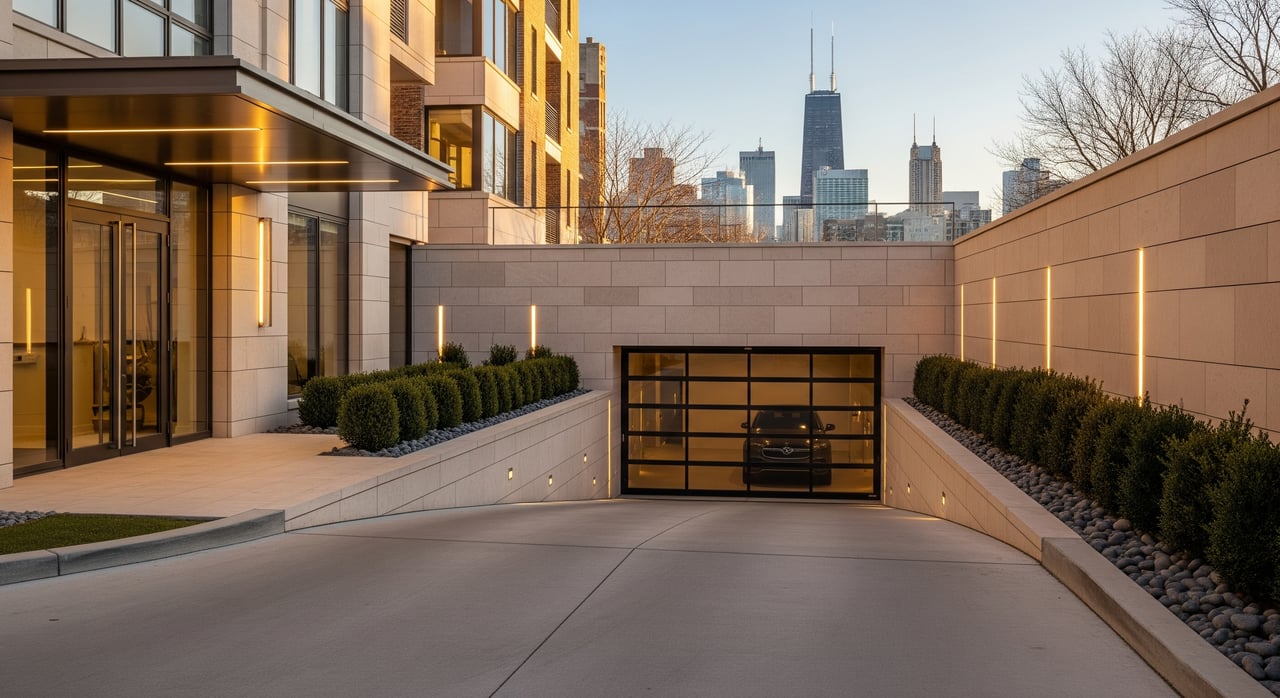
River North spans luxury towers, boutique mid‑rises, and older loft conversions. Fees vary based on amenities, staffing, systems, and age.
Luxury high‑rises
- Expect higher assessments. Costs come from 24/7 staffing, concierge services, fitness and pool operations, multiple elevators, and complex HVAC.
- Reserve needs are higher to maintain façades, elevators, and high‑end finishes.
Mid‑rise and boutique buildings
- Moderate assessments with fewer staff and select amenities. Reserve needs depend on building age and recent capital work.
Converted lofts and older buildings
- Sometimes lower monthly assessments due to fewer amenities, but a higher risk of special assessments if roof, windows, or exterior projects are upcoming.
Newer amenity‑rich developments
- Operating costs can be elevated by extensive amenities. Early years may have fewer capital needs, but ongoing staffing and utilities add up.
Due‑diligence checklist for buyers and investors
Use this list when you review a condo packet or tour a building.
Documents to request
- Current budget and the past 2 to 3 years of budgets and financials.
- Most recent reserve study and any updates; current reserve balance and investment policy.
- Board meeting minutes for the past 12 months.
- Master insurance summary with deductible levels and coverage type.
- List of approved or pending capital projects and any special assessments.
- Management contract and key vendor agreements.
- Reports on major systems: elevators, roof, façade.
- Statement of units in arrears and collection policy; history of special assessments.
- Declaration and bylaws, including allocation percentages and rules.
Questions to ask
- What exactly is included in this unit’s assessment: utilities, parking, storage, cable/internet, concierge?
- Are special assessments pending, or are major projects planned in the next 12 to 36 months?
- When was the last reserve study completed, and are contributions aligned with its recommendations?
- What is the reserve funded ratio relative to 5 to 10 years of projected needs?
- Are there any active or threatened litigations that could affect assessments?
- What portion of income is from assessments versus other revenue sources?
Red flags
- Outdated reserve study and low reserves compared to upcoming needs.
- Multiple recent special assessments or steep fee increases without a written plan.
- High delinquency rates among owners.
- Large, unexplained jumps in insurance, utilities, or payroll.
Investor‑specific checks
- Rental policies, percentage of rented units, and any restrictions on lease terms.
- Whether parking spaces are deeded or leased and how parking revenue flows in the budget.
- Historical assessment trends over the past several years.
Estimate your true monthly carry
Before you write an offer, build a simple monthly picture:
- Start with the monthly assessment for your unit.
- Add your estimated monthly property tax for the unit. In Cook County, taxes are billed separately, so confirm the current bill and exemptions.
- Add unit utilities not covered by the assessment: electric, gas, internet/cable.
- Add parking or storage fees if billed separately.
- Consider a contingency for near‑term projects based on the reserve study and board minutes.
This approach helps you compare buildings apples to apples, even when amenities and inclusions differ.
Final thought
You deserve a clear view of what you are paying for and why. With the right documents and a careful read of the budget and reserve study, you can choose a River North building that matches your lifestyle and financial goals.
Ready for a tailored review of a specific building? Request a Private Consultation and bring the condo budget, reserve study, and recent board minutes. We will benchmark the building, estimate your true monthly carry, and flag near‑term risks. Connect with Unknown Company to get started.
FAQs
What is a condo assessment in Chicago?
Are River North condo assessments the same as property taxes?
- No. In Cook County, property taxes are typically billed to you separately by the county; review details with the Cook County Treasurer.
What is a reserve study and why does it matter?
- It inventories major building components, estimates remaining life and replacement costs, and recommends annual funding to avoid surprise special assessments; see CAI’s reserve study guidance.
Why do fees differ so much between River North buildings?
- Amenities, staffing, elevator count, building age and systems, parking, and insurance premiums drive different operating and reserve needs across building types.
What is a special assessment?
- A one‑time charge approved by the board and owners to fund unplanned capital work or cover shortfalls when reserves or the operating budget are insufficient.
Which documents should I review before making an offer?
- Request the current budget and recent financials, reserve study and balance, board minutes, master insurance summary, project lists, and the declaration/bylaws to confirm allocations and rules.