Relocating To Naperville From Chicago: What To Know
March 5, 2026
March 5, 2026
Thinking about trading your Chicago condo for more space in Naperville? You are not alone. Many professionals and families make this move for larger homes, parks, and a suburban pace while keeping practical access to the city. In this guide, you will learn what changes to expect, how the housing market works, commute choices, schools and parks, and the smartest ways to structure your sell-and-buy move. Let’s dive in.
Naperville is a large Chicago-area suburb about 28 to 33 miles west of downtown, spanning DuPage and Will counties. It is Illinois’ fourth-largest city by population and functions like a small city with a suburban feel. According to U.S. Census QuickFacts, the population is about 153,124, with a median household income of $155,105 and a mean travel time to work of 30.5 minutes. The core tradeoff you make is more space and amenities in exchange for a longer city commute.
You will find larger lots, basements, attached garages, and room for a home office. The city’s park and amenity density is a draw, along with a busy suburban downtown. Buyers should also plan for Illinois-style property taxes that are higher than many U.S. metros and a mid-to-upper suburban price band.
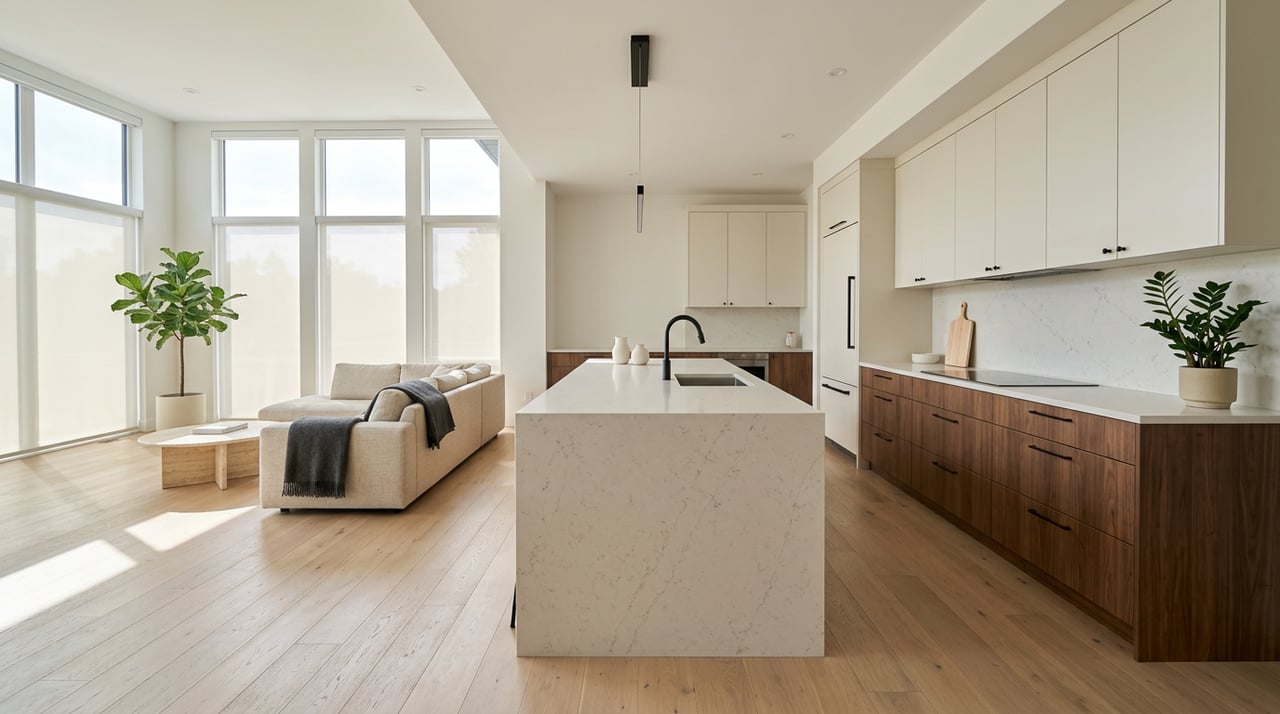
Moving from a Chicago condo typically means you want a yard, extra bedrooms, a finished basement, and a calmer street. Naperville offers a wide range of options that fit those needs. Downtown Naperville also has walkable condos and townhomes if you want an urban-suburban blend near the Riverwalk and Metra.
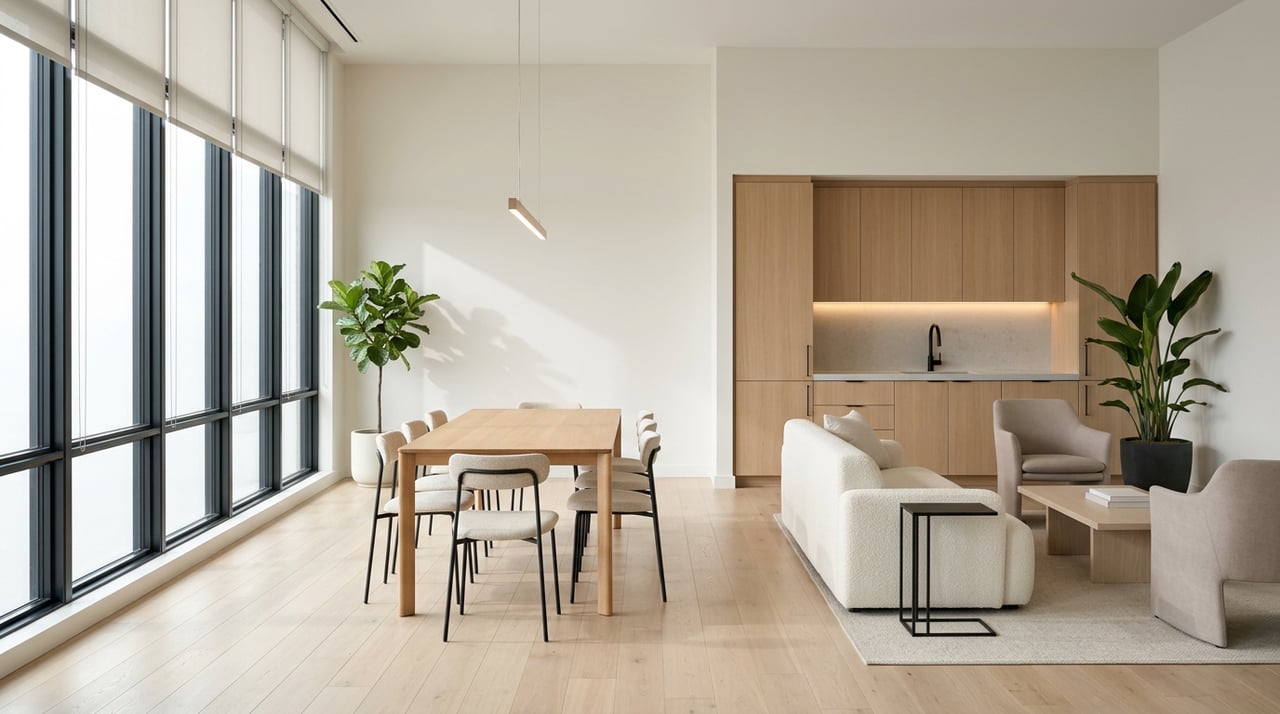
If you prefer to walk to the Riverwalk, restaurants, and the Metra station, downtown condos and townhomes are the main choices. Smaller units can start in the low $200Ks, while premium or newer buildings closer to the Riverwalk can reach the $500K to $800K range. Expect a price premium for walkability and quick train access.
Across many mid-range subdivisions, move-in-ready 3 to 4 bedroom homes commonly trade around $450K to $900K. Think classic suburban layouts with attached garages and finished basements. Citywide, recent MLS-based data shows a median sale price near $607,500 in January 2026, with a rising median days on market around 71 days in that month. Conditions vary by neighborhood, so price and speed will depend on location and updates.
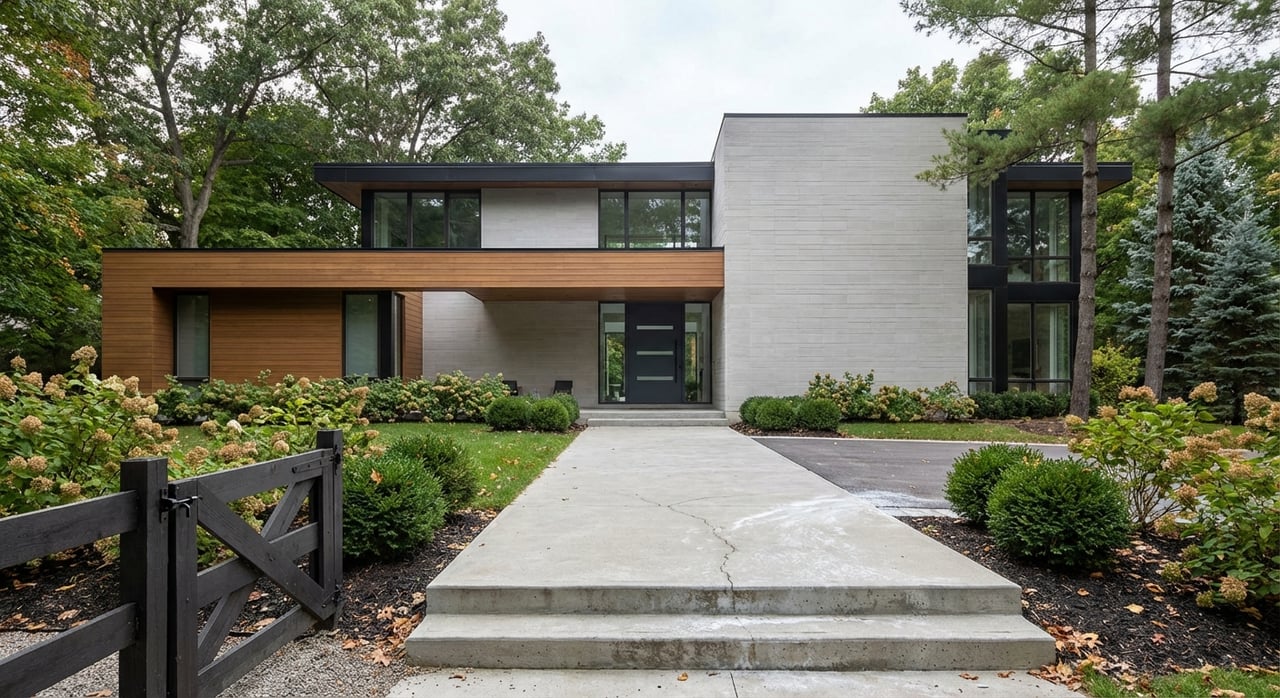
Naperville has a strong selection of upper-tier properties, including custom builds on larger lots, homes near golf courses, and new construction. It is common to see many listings over $1 million in select pockets. If you want newer construction, modern floor plans, and generous square footage, you will find a deep bench of options here.
Illinois property taxes can be a surprise if you are moving from a condo with a smaller bill. In Naperville, effective property tax burdens often land around the 2 percent range, though it varies by county and specific levies. A $400,000 home can carry an annual property tax bill on the order of $8,000 to $9,000 depending on exemptions and location. For a useful overview, see Ownwell’s local analysis of Naperville property tax trends and this Naperville property taxes guide.
Plan your budget to include principal and interest, property taxes, insurance, HOA fees if applicable, utilities, and ongoing maintenance. If you are upsizing from a condo, expect higher ongoing costs for lawn care, snow removal, and long-term capital items like roofs and mechanical systems.
Naperville offers a reliable rail option to the Loop and direct highway access. Your best choice depends on schedule, office location, and how much predictability you need.
Naperville’s BNSF station at 105 E. 4th Ave. connects directly to Union Station. Scheduled rides range roughly 40 to 60 minutes depending on the train. Door-to-door, many commuters estimate about 60 to 90 minutes including first and last mile. Check the Metra Naperville station page for schedules, Zone 4 fares, parking, and Pace connections.
If you drive to the Loop, the best case off-peak can be about 40 to 45 minutes. During rush hours, congestion on I-88 and I-290 can push trips toward 60 to 90 minutes. A local commute guide explains why variability is high and why some riders prefer rail for predictability. Review this Naperville to Chicago commute guide and test your route at your actual start time.
Commuter costs add up across Metra passes, station parking, tolls, and rideshare for last mile. Metra monthly pass pricing changes periodically, so verify on the station page. If you plan to park at the station, check current permit rules, availability, and any waitlists.
Two main public systems serve different areas of Naperville. District lines are street-specific in some cases, so always verify the assigned school for a specific address.
Use neutral criteria in your search such as program offerings, commute, and proximity to parks and activities. For private and parochial options, verify directly with each school.
Naperville’s park system is a major quality-of-life asset, with 2,400 plus acres and year-round programming. Families love the Riverwalk and Centennial Beach, a historic quarry that turns into a summer swimming spot. Check the Naperville Park District for seasonal schedules and membership details.
Cultural attractions add to the small-city feel. Naper Settlement and the DuPage Children’s Museum provide hands-on learning and community events. The city hosts festivals and farmers’ markets through warm months in and around the downtown core.
For health care, Edward Hospital anchors a full-service medical campus in town. New and growing families value having emergency and specialty care nearby. See a brief profile of Edward Hospital to get oriented.
There are four realistic paths for a Chicago condo owner moving to Naperville. Each balances timing, risk, and competitiveness differently.
Sell first, then buy. You sell your condo, move to a short-term rental, then purchase. This lowers overlap risk and gives you your sale proceeds for the next down payment. The tradeoff is living in a temporary rental and potentially moving twice. A well-executed sale process can take 8 to 12 plus weeks depending on prep and market.
Buy first with bridge or HELOC. You purchase the Naperville home non-contingent, then sell your condo. This is strongest in competitive submarkets since your offer does not hinge on selling. Bridge loans typically fund faster at a higher cost, while HELOCs are often cheaper but can take longer to open. Review a neutral bridge loan primer and coordinate closely with your lender.
Make a sale-contingent offer. You submit an offer that depends on selling your current home. Sellers are more likely to accept this if their home has been listed for a while or the market has softened. Expect contingency windows around 30 to 60 days, and consider kick-out clauses that allow a seller to keep marketing the home.
Rent first, then buy. You sell the condo, move to a short-term rental in or near Naperville, and shop with less pressure. This works well for school-year timing and for learning neighborhoods from the inside. Recent rental indices have placed average rents around the low $2,000s per month, but verify current asking rents before you plan a lease.
Use this simple sequence to stay organized and reduce stress.
Naperville gives you more space, parks, and a welcoming suburban downtown while keeping a workable route to the city. Prices are higher than many suburbs, and property taxes are meaningful, but the lifestyle tradeoffs are clear for many buyers. With the right plan, you can time your sale, structure your financing, and secure the home that fits how you live now.
If you want a curated move from a Chicago condo to a Naperville home, request a private consultation with Rachna Jain. You will get neighborhood guidance, pricing clarity, and a step-by-step plan that protects your time and your bottom line.
Stay up to date on the latest real estate trends.
Experience the difference that passion, expertise, and personalized care make in luxury real estate. Whether buying or selling, Rachna ensures every step of your journey is seamless, rewarding, and uniquely tailored to your goals.