If you are shopping for a River North condo, the amenities can be as appealing as the views. A rooftop pool, a staffed lobby, and an on-site gym add comfort and convenience, but they also change your monthly costs and even your financing options. You want the right lifestyle fit without surprises down the road.
This guide shows you how to evaluate amenities in River North buildings, what to ask for during due diligence, how amenities affect HOA assessments and reserves, and how they influence resale. You will also see a simple cost comparison you can reuse when comparing buildings. Let’s dive in.
Start with lifestyle fit
River North is known for amenity-rich towers, from rooftop lounges to club-level fitness centers. Local reporting shows developers are leaning into high-end features to stand out in downtown Chicago’s competitive market, including Life Time partnerships, pools, and concierge services. Axios highlights this amenity arms race in Chicago.
Before you pay for the perks, ask yourself how often you will actually use them. If a pool and staffed fitness center are part of your daily routine, an all-in building might be worth a premium. If you prefer a boutique loft with lower monthly fees, you may be better off near public gyms and River North restaurants while keeping assessments lean.
Understand true monthly cost
In amenity-heavy buildings, assessments often include staffing, utilities for common areas, insurance, and contributions to reserves. These line items grow with features like 24-7 doorman coverage, heated pools, and large fitness centers. One industry summary shows the Chicago-Naperville-Elgin metro average HOA fee sits in the low to mid hundreds per month, and River North buildings with broader amenity packages can be higher. See context from this HOA fee overview.
A quick comparison helps you think clearly:
- Unit A in a full-service tower: HOA $700 per month, includes gym and pool.
- Unit B in a modest building: HOA $500 per month, no gym or pool. Outside gym membership $80 per month.
- Difference: $700 minus ($500 + $80) equals $120 per month more for Unit A. That is $1,440 per year, or $7,200 over 5 years. Balance this against your actual amenity use, building reserves, and likely resale premium.
What to check by amenity
Fitness center
- Ask whether equipment is owned or leased and if there is a maintenance contract.
- Confirm cleaning schedule, staffing, and ventilation standards. These costs add up in assessments.
- Large, club-like gyms can require ongoing outside vendor fees and increase insurance. Axios notes the scale of luxury fitness in new developments.
Pool or spa
- Verify whether it is seasonal or year-round, and who maintains it.
- Ask about heating, dehumidification for indoor pools, chemical and filtration costs, and lifeguard or safety policies.
- For rooftop pools, request waterproofing and roof life reports. Pools bring ongoing costs and long-term capital projects like resurfacing and deck repairs. See operational considerations in this pool safety and budgeting overview.
Rooftop decks and outdoor kitchens
- Request recent roof and terrace inspection reports and any upcoming façade or waterproofing work.
- Check guest rules and reservation systems that may limit access.
- Verify insurance coverage and wind or structural review history.
Doorman and concierge
- Staffing is one of the largest recurring expenses for a building. Ask about headcount, shift coverage, holiday and overnight policies, and whether staffing is outsourced.
- Review the payroll line items in the operating budget and confirm any vendor contract terms. See common HOA expense drivers in this CAI resource.
Common rooms and co-working
- Check whether reservations are free or fee-based, and if third-party vendors are allowed.
- Ask whether these spaces increase insurance costs or add legal exposure.
Pet amenities
- For dog runs or wash stations, confirm cleaning schedules and rules.
- Review pet policies for size, number, and behavior rules that may impact maintenance and potential resale.
Parking and EV charging
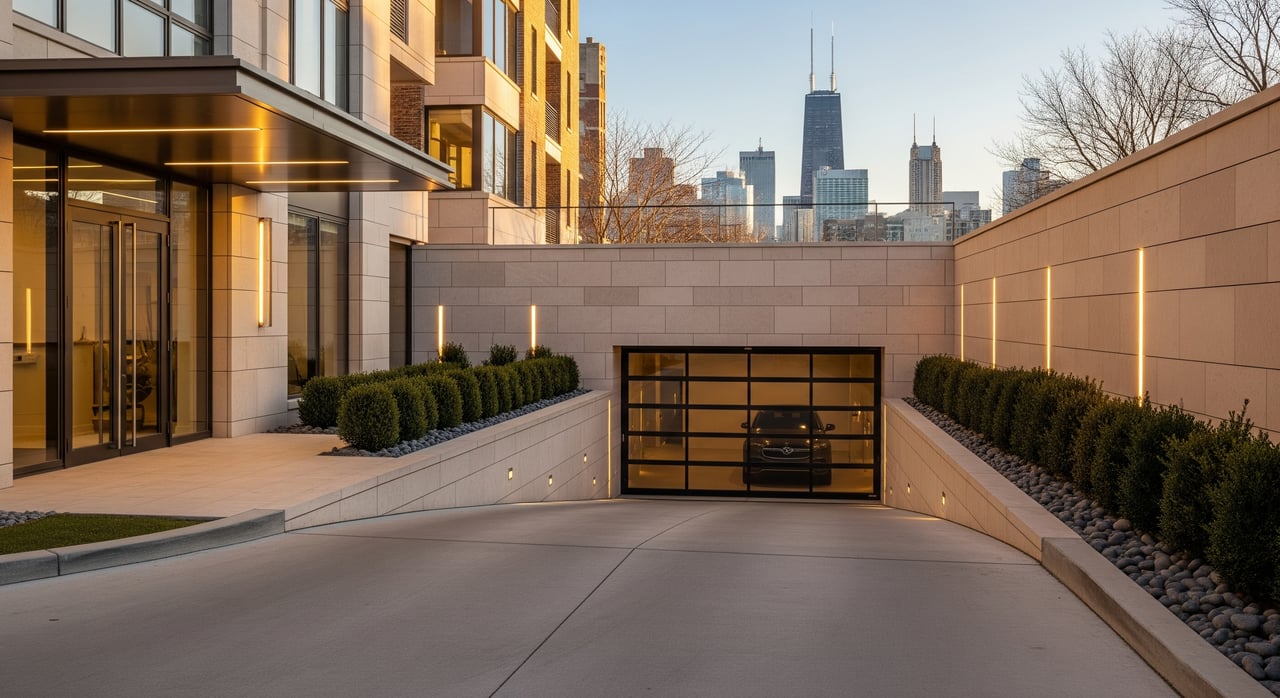
- Confirm whether parking is deeded or assigned and whether your unit includes a dedicated space.
- Ask for the garage’s repair and waterproofing history, pump replacements, and reserve allocations. Garage projects are often high cost.
- For EV charging, clarify how electrical upgrades are funded and whether chargers are shared, individually metered, or billed back to users.
Package rooms and delivery systems
- Ask whether package lockers or delivery services are included in assessments or billed separately.
- Confirm vendor contracts, hours, and overflow policies during peak seasons.
Storage and bike rooms
- Verify if storage is deeded or rentable and whether it transfers with the unit.
- Ask about waitlists and demand, which can influence convenience and value.
Shared mechanical systems
- Central HVAC or district chillers can reduce in-unit maintenance while creating large replacement costs at the association level. Review reserves and the capital plan for these systems.
Hotel-style services and on-site retail
- Guest suites, hotel-like services, and commercial operations can complicate budgets and accounting.
- These features can also appear in condo project eligibility reviews for certain mortgages. See project standards in Fannie Mae’s guide.
Financial and legal due diligence
Strong buildings pair amenities with responsible budgeting, clear rules, and realistic reserves. In Illinois, the Illinois Condominium Property Act outlines key disclosures you should expect in a condo resale. Review the Act here: Illinois Condominium Property Act.
Key documents to request
- Declaration, bylaws, and rules to confirm amenity use, parking, and rental or short-term rental limits.
- Current annual budget with line items, plus the last 1 to 2 years of budgets.
- Most recent financial statements and balance sheet to spot association loans or negative operating results.
- Reserve study or capital needs assessment and current reserve balance. If no reserve study exists, treat it as a red flag.
- Board meeting minutes for the past 12 to 24 months for amenity repairs, insurance renewals, or capital projects.
- Master insurance declarations page and the association deductible. Ask whether owners can be assessed for the master deductible. See master policy basics in this insurance overview.
- Assessment history and any current or planned special assessments.
- Litigation list and legal expense history, especially if tied to amenities.
- Unit count, owner-occupancy versus investor share, rental permits, and any short-term rental registrations.
- Vendor contracts for fitness, pool, valet, security, and management, including auto-renewal and termination terms.
- Building inspection reports for façade, roof, garage, elevators, and major mechanical systems.
Red flags to watch
- Thin reserves or reserve studies showing large unfunded projects like façade work, pool waterproofing, or garage repairs.
- High delinquency in dues, which can affect financing availability.
- New amenities without reserve funding, or outstanding association loans used to add amenities.
- Insurance gaps or large deductibles that could be assessed to owners after a claim.
- Complicated commercial or hotel-style operations that are not clearly accounted for in the budget.
Financing checks that matter
Condo financing considers the health of the building, not just your credit. Lenders look at reserves, delinquency rates, owner-occupancy levels, commercial space, and insurance coverage. A building that fails project standards can narrow the field of available loans. Review project eligibility guidance in Fannie Mae’s project standards. FHA approvals also look at occupancy, insurance, and financial condition, with single-unit approvals possible in certain cases. Learn more about FHA’s condo project approval process from HUD’s guidance.
Resale impact in River North
Amenities can boost perceived value and attract buyers who want convenience and social spaces. At the same time, higher assessments and frequent special assessments can shrink your future buyer pool and lengthen days on market. Local trends show a premium for experience-driven buildings, but liquidity can suffer when fees and risks rise. The key is balance.
- Amenity-rich towers often appeal to urban professionals and downsizers seeking a lock-and-leave lifestyle.
- Boutique lofts and conversions often appeal to buyers prioritizing lower monthly fees.
- Buildings with strong reserves and reasonable dues tend to resell more efficiently because more buyers can qualify for financing.
Questions to ask at showings
- Is each amenity included in the monthly assessment or billed as a separate membership or fee?
- If there is a gym or pool, who maintains it and how often is equipment serviced or replaced?
- Are parking spaces deeded or assigned, and does this unit include a dedicated spot?
- Are EV chargers installed, metered, and available without a waitlist?
- What are the pool hours, guest rules, and safety arrangements such as lifeguards or permits?
- How often are common areas cleaned, and which vendor handles it?
- Are any roof, façade, or garage projects planned, and are special assessments expected?
- What does the master insurance policy cover, what is the deductible per claim, and do you recommend loss-assessment coverage for owners?
Document request checklist
- Declaration, bylaws, and rules
- Current and prior 1 to 2 years of budgets
- Financial statements and balance sheet
- Latest reserve study and current reserve balance
- Board minutes for the last 12 to 24 months
- Master insurance declarations page and deductible policy
- Assessment history and any planned special assessments
- Litigation history and status
- Occupancy and rental data
- Vendor contracts for major amenities
- Recent engineering, roof, façade, garage, and elevator reports
Copy-paste email template
Please send the current annual budget with line items, the latest reserve study and current reserve balance, board minutes for the last 12 months, the association’s master insurance declarations page, a 5-year capital projects list, and any contracts for pool, gym, parking, or security vendors. Also include the building’s rental and short-term rental policy and current owner-occupancy statistics.
Make a confident choice
Treat amenities as both a lifestyle decision and a financial line item. Focus on how you will use the spaces, what the real monthly cost will be, and how well the association has planned for long-term repairs. With the right documents in hand and a clear view of reserves, assessments, and eligibility for common loan programs, you can buy in River North with confidence.
If you would like tailored guidance and discreet access to the best options on and off market, connect with Rachna Jain to Request a Private Consultation.
FAQs
How do River North condo amenities affect monthly HOA fees?
- Amenity-rich buildings often have higher assessments to cover staffing, utilities, insurance, and reserves, which can materially change your monthly carrying cost.
Which documents should I review before buying a condo with a pool?
- Request the budget, reserve study, pool maintenance contracts, permits, roof and waterproofing reports if rooftop, insurance declarations, and board minutes for any pool-related discussions.
Can amenities impact my mortgage approval for a River North condo?
- Yes. Lenders evaluate project health including reserves, delinquencies, occupancy, commercial space, and insurance. Buildings that fail project standards can limit available loan options.
Is a doorman worth the cost in a Chicago high-rise?
- It depends on your priorities. A staffed lobby adds convenience and security, but payroll is a major budget item that increases assessments.
How should I compare two similar condos with different amenities?
- Add HOA plus any outside memberships you will need, then compare the totals. Weigh the annual and 5-year differences against your usage, reserve strength, and likely resale premium.
What insurance questions should I ask the association?
- Ask what the master policy covers, the deductible per claim, and whether owners can be assessed for the association deductible. Consider loss-assessment coverage on your HO-6 policy.